


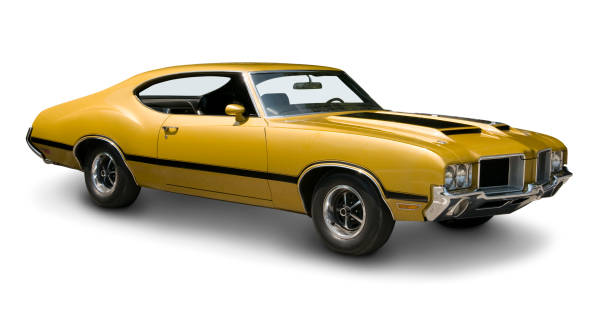
Owning a classic car is a dream for many Australians, especially younger enthusiasts who appreciate the history, design and investment potential of these automotive gems. But financing a classic car is not quite the same as attaining a standard car loan.
The unique nature of classic vehicles means that buyers face distinct challenges, from valuations and lender requirements to insurance and restoration costs. Understanding these nuances can save you time, money and frustration.
Here’s what every Aussie buyer should know about classic car finance and how to navigate the process like a pro.
How classic car finance differs from standard car loans
Unlike new or late model vehicles, classic cars often don’t fit neatly into mainstream lender criteria. Many banks and finance companies hesitate to lend on older vehicles because:
Understanding the Joy of Owning a Classic Car
For many enthusiasts, owning a classic car represents not just a means of transportation, but a passion that connects them to history and craftsmanship. Owning a classic car allows individuals to experience the thrill of driving a piece of automotive history. Discover the benefits and responsibilities involved in owning a classic car.
- Valuation is tricky
Classic cars’ values can fluctuate widely based on rarity, condition, provenance and market trends. Lenders need expert appraisals to assess collateral value. - Limited resale market
If the borrower defaults, repossessing and selling a classic car is more complex than for a mass produced vehicle. - Specialised lending
Many lenders require the vehicle to qualify under schemes such as the Historic Vehicles Scheme (HVS) or Classic Vehicle Scheme (CVS) to be eligible for finance.
Because of these factors, classic car loans are often arranged through specialist lenders who understand the vintage vehicle market and are willing to finance these unique assets. Our experienced finance team members have these connections and will help you find the appropriate finance solution for your needs.
Understanding valuations and loan-to-value ratios (LVRs)
Lenders typically require a professional valuation of the classic car before approving finance. This valuation determines the loan-to-value ratio (LVR), the percentage of the car’s value the lender is willing to finance.
- Lower LVRs
Classic car loans often have lower LVRs than standard car loans, meaning you may need a larger deposit or equity in the vehicle. - Independent appraisals
Obtaining an independent, expert appraisal can help ensure your car is correctly valued and improve your chances of securing finance.
Deposit requirements and interest rates
Because classic cars are considered higher risk, lenders usually require:
- Higher deposits
Deposits can range from 10% to 30%, depending on the lender and vehicle value. Some specialist lenders may offer no-deposit options, but these are less common and often come with stricter terms. - Competitive but variable interest rates
Rates for classic car loans can be competitive, especially if the vehicle has proven investment potential and you have a strong credit profile. Rates are often negotiated individually based on the vehicle’s value and the buyer’s circumstances.
Insurance can be the silent deal breaker
Finance companies almost always require comprehensive classic car insurance as a condition of the loan. Unlike standard car insurance, classic car policies:
- Use agreed value coverage
This means the insurer and owner agree on the car’s value upfront, protecting you from depreciation issues common with market value policies. - Include specialised coverage
Policies often cover restoration, modifications, limited usage and storage (laid-up cover) to suit the unique use of classic cars. - Can be costly
Premiums vary based on the car’s rarity, condition and usage, so factor insurance costs into your budget when financing.
Restoration finance and project cars
Many classic car buyers are interested in ‘project cars’ that need restoration. Financing these vehicles can be more complicated:
- Lenders want assurance
They typically prefer vehicles in good condition or fully restored as project cars carry higher risk and uncertain value. - Specialised restoration loans
Some lenders offer loans specifically for restoration projects that can include funding for parts, labour and upgrades. - Detailed plans help
Presenting a detailed restoration plan and budget can improve your chances of approval.
Protecting your investment
Classic cars are not just vehicles – they’re appreciating assets.
Protecting their value is essential:
- Agreed value insurance
Ensures you’re covered for the car’s true worth, not just depreciated market value. - Keep detailed records
Maintenance, restoration receipts and provenance documents support valuation and resale. - Storage and care
Proper garaging and upkeep preserve condition and value.
Case study
Financing a classic Mustang in Brisbane
Take Jake, a 28 year old car enthusiast who wanted to buy a 1967 Ford Mustang. After struggling with traditional lenders, he contacted a specialist finance broker who sourced a lender offering a tailored loan with a 15% deposit and competitive interest rate. The broker also helped Jake arrange agreed value insurance and advised on restoration finance for minor bodywork. Jake now enjoys his Mustang, confident he made a smart financial decision.
How a finance broker can help you
Navigating classic car finance alone can be daunting. A knowledgeable finance broker:
- Accesses specialist lenders
Brokers have relationships with lenders who understand classic cars and offer flexible terms. - Negotiates interest rates
They can secure competitive rates based on your credit and the vehicle’s value. - Simplifies paperwork
Brokers handle valuations, insurance requirements and loan applications, saving you time and stress. - Offers tailored advice
From restoration loans to insurance, brokers guide you through the complexities unique to classic car finance.
Final thoughts
Financing a classic car in Australia requires more care and expertise than a typical car loan. From valuations and deposits to insurance and restoration, the process has many moving parts. But with the right knowledge and the right broker you can turn your classic car dream into reality without costly surprises.
If you’re ready to explore classic car finance or want expert advice tailored to your unique situation, reach out to our specialist finance team today. We’ll help you find the best rates, navigate lender requirements and protect your investment every step of the way.